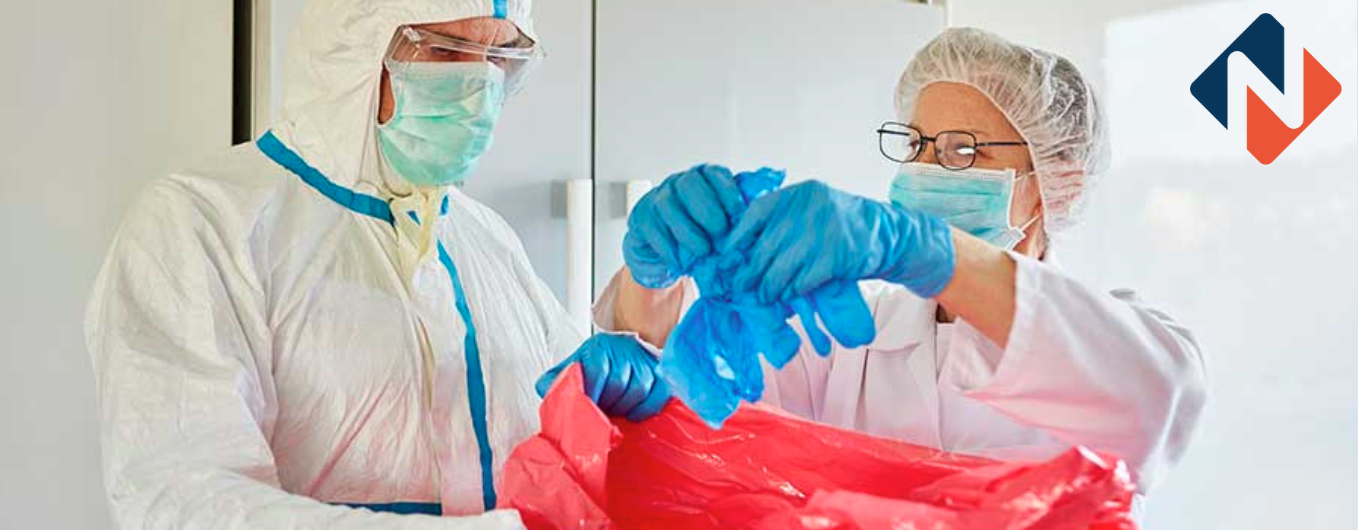
Medical facilities produce a lot of waste products, which can be dangerous if not handled properly. These wastes include materials such as used syringes, scalpel blades, blood-soaked bandages, and more. Proper disposal of medical waste is critical in preventing the spread of infection and protecting the public’s health. Let’s discuss some of the reasons why correct biohazard waste management is vital in healthcare.
Correct biohazard waste management minimizes the risk of infections being transmitted to healthcare workers, patients, and the general public. Medical facilities create a significant amount of waste that potentially contains harmful pathogens which can cause diseases like HIV, Hepatitis B, and Hepatitis C. Proper waste management protocols like segregation, containment, and transportation of harmful medical wastes can prevent the spread of these infections.
Medical waste management is a highly regulated industry. Failure to comply with these regulations can lead to severe legal consequences. Most states have laws governing medical waste disposal, which medical facilities must comply with. These laws dictate how medical waste should be handled safely, packaged, and transported to the final disposal facility. Following these guidelines and protocols will keep providers and their patients safe, as well as keeping hospitals legally compliant.
Biohazard waste poses a significant threat to the environment and public health. Effective waste disposal can prevent pollutants from healthcare facilities from entering landfills and water supplies, accumulating to hazardous levels. Waste segregation and usage of certified waste management companies, like Stericycle, decrease the environmental footprint of hospital wastes significantly. If medical waste is not treated and disposed of appropriately, it can cause harm to the plant and animal kingdom, eventually threatening larger ecosystems.
Healthcare facility workers, particularly those in the waste management department, are often at risk of exposure to harmful wastes. They may have to come into contact with hazardous items without proper protection if waste management protocols are not followed. Correct waste management protocols increase the safety of those who come in contact with waste. Proper labeling, staff education regarding hazards, and waste segregation can prevent injury and illnesses in the workplace.
Correct biohazard waste management protocols can save hospitals funds down the line. Compliance with medical waste regulations avoids legal fees, while proper waste segregation and certified waste management companies result in levy on less waste. Efficient practices that reduce the amount of waste produced by healthcare facilities also save hospitals on disposal costs. This money can be allocated to other important areas of the hospital, such as patient care or updated equipment.
Practicing proper biohazard waste management reduces environmental hazards and health risks, protecting patients, staff, the public, and the environment. Health care wastes should always be treated with caution, and protocols should be strictly adhered to for the safety of all. This is precisely why correct biohazard waste management is vital in healthcare. Hospitals should consult waste management companies that specialize in medical waste so that they can discharge their medical waste responsibilities professionally and affordably. Authorities, hospitals, and the community must collaborate on proper waste management practices to ensure a healthy planet and population.
Looking for Sharps Containers and other biohazard waste management products? Find a wide range of products available with Medegen through NuEdge Alliance.