In the healthcare sector, proper wound care is a critical component that significantly impacts patient recovery and overall quality of life. Despite the advanced medical technologies available today, the fundamentals of wound care remain pivotal in preventing complications, promoting healing, and reducing healthcare costs. Let’s delve into the importance of proper wound care and the tools that provide protection for your patients.
Proper wound care begins with accurately identifying the type of wound and understanding the various stages of healing. Wounds can be broadly classified into:
The healing process involves four stages:
One of the primary goals of proper wound care is to prevent infections. Healthcare-associated infections (HAIs) can extend hospital stays, increase medical costs, and in severe cases, lead to sepsis or even death. Proper wound cleaning, debridement, and the use of appropriate dressings are vital in minimizing infection risks.
Effective wound management accelerates the healing process. By keeping the wound clean, moist, and protected, healthcare professionals can create an optimal environment for cell proliferation and tissue regeneration. Faster healing reduces the risk of complications and improves patient comfort.
Scarring can have both physical and psychological impacts on patients. Proper wound care techniques, such as using silicone dressings and applying pressure therapy, can significantly reduce the appearance of scars, contributing to better aesthetic outcomes and patient satisfaction.
Chronic wounds and complications from improper wound care can result in prolonged hospital stays and increased use of medical resources. By adhering to best practices in wound management, healthcare providers can reduce the economic burden on healthcare systems and improve resource allocation.
Cleaning the wound with sterile solutions and debriding necrotic tissue are essential for preventing infection and promoting healing. Debridement can be performed using autolytic, enzymatic, mechanical, or surgical methods, depending on the wound type and patient’s condition. Additionally, keeping the surrounding areas clean with surface disinfectants can offer additional protection from infections. Manufacturers such as GOJO and PDI offer a variety of options for keeping surfaces clean and safe.
Choosing the appropriate dressing is critical for effective wound care. The ideal dressing should:
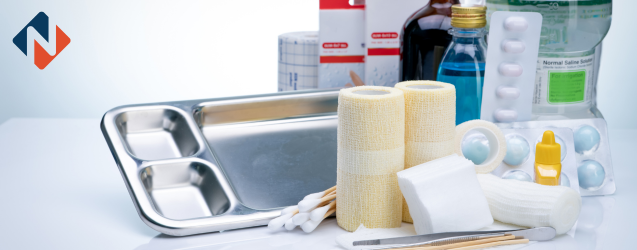
Dressings range from simple gauze and bandages to advanced options like hydrocolloids, hydrogels, alginates, and foam dressings. Each type has specific indications based on the wound characteristics. Finding the right dressing is vital in keeping patients safe and comfortable.
For example, Molnlycke Healthcare offers a variety of dressing options, including gelling fiber, foam, anti-microbial, and more. Another supplier of wound management products is Dukal. From gauze and padding to non-woven and oil emulsion dressings, Dukal has a wide range of products for wound care. Choosing the right products can make a significant difference in a patient’s recovery.
Proper wound care is a cornerstone of effective healthcare delivery. By understanding wound types, stages of healing, and best practices in wound management, healthcare professionals can significantly improve patient outcomes. Employing advanced wound care technologies and engaging patients in their care further enhances the healing process.
For more information on wound management products and finding the right distributor for your practice, visit our website today!