Phlebotomy, the practice of drawing blood from a patient for clinical or medical testing, transfusions, donations, or research, is an indispensable component of healthcare. Despite its critical importance, it often goes unnoticed compared to other medical procedures. Let’s discuss the essential nature of phlebotomy and the tools used in this practice.
Blood tests are fundamental to diagnosing a myriad of health conditions. From routine checks to complex diagnostic investigations, phlebotomy provides the crucial samples needed for accurate laboratory analysis. Without skilled phlebotomists, the reliability of these blood samples could be compromised, leading to misdiagnosis or delayed treatments.
Phlebotomy is not just about diagnostics; it plays a significant role in monitoring ongoing health conditions and managing chronic illnesses. For example, patients with diabetes rely on regular blood tests to manage blood sugar levels. Similarly, those undergoing cancer treatment may require frequent blood draws to monitor their response to therapy.
Phlebotomy is also pivotal in medical research and the development of new treatments. Clinical trials often depend on blood samples to measure the effectiveness of new medications or to understand disease mechanisms better. Therefore, phlebotomy contributes to the advancement of medical science and the improvement of patient care.
There are a variety of tools that are essential to the practice of phlebotomy. These can include:
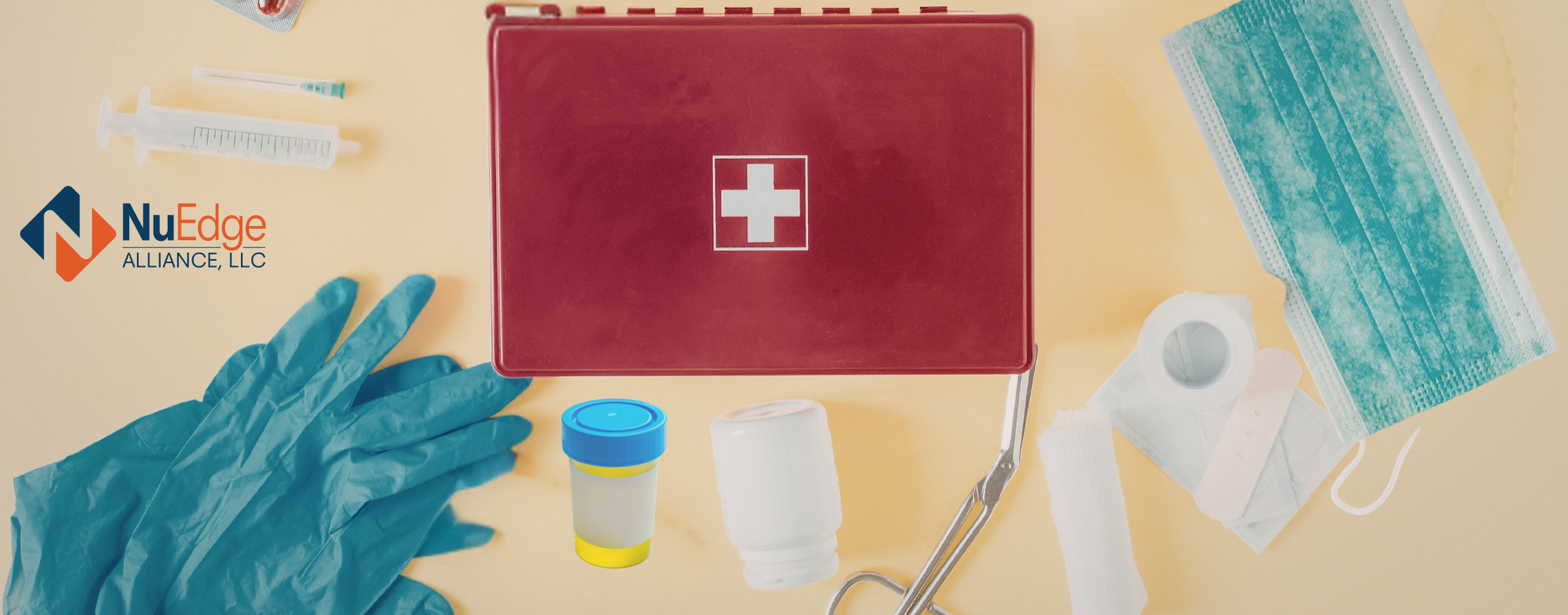
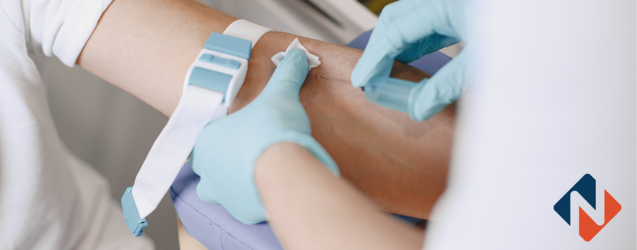
When drawing blood, you must first prep the patient. This can require tools such as gloves, alcohol prep pads, and a tourniquet. You should also have gauze and bandages on hand for afterwards.
One of the most essential tools in phlebotomy, blood collection needles can come in a variety of shapes, sizes and gauges. Choosing the correct needle is vital for ensuring the safety and comfort of your patients. Some needles come with additional components, such as a luer lock for added security or color coding.
A phlebotomist responsible for drawing blood samples needs to have the appropriate containers for collecting the blood. Therefore, blood collection tubes are a crucial item in the toolkit of a proficient phlebotomist, as various types of tubes are utilized for different types of collections. There are some needles that come with a tube holder already attached for ease of use.
Another tool used in phlebotomy is a blood transfer device. This tool provides a safe and secure attachment when transferring blood directly from a peripheral IV line or from a syringe to a blood collection tube. It often has an internal needle to help reduce the risk of transfer-related injuries.
Suppliers like MYCO Medical offer a range of blood collection tools, such as those listed above, that give providers the high quality and precision they need to give their patients a comfortable experience.
Phlebotomy is undeniably a cornerstone of modern healthcare. It ensures the accurate diagnosis, effective monitoring, and successful management of numerous health conditions. For healthcare professionals, understanding the importance of phlebotomy and supporting the continuous development of this essential practice is paramount. By doing so, we contribute to a healthcare system that is more efficient, effective, and ultimately better equipped to meet the needs of patients.
Looking for phlebotomy products and other essential medical supplies? Visit our website today to view all of our supplier partners and the products they offer.