COVID-19 is a disease that has weakened and killed thousands of people in a short amount of time. We’re also learning that it may cause long-term organ damage.
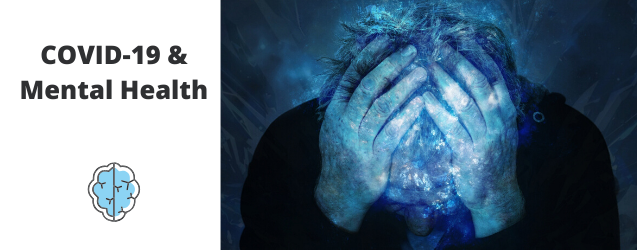
It can also affect people in less obvious but still harmful ways. For example, dealing with the coronavirus can produce anxiety.
People may be worried about contracting COVID-19 and spreading it to others. They may be worried because stay-at-home orders are affecting their jobs or finances, children’s educations, and ability to gather for special events.
Measures to stop the spread of the virus might produce depression and feelings of isolation. Many people have been separated from their loved ones or are practicing social distancing when they do see others.
People who already have depression or anxiety may find that the pandemic is making things worse. If they’re anxious or depressed, present fears and future uncertainty may be magnifying their mental health problems.
Since depression and anxiety are health problems, they require health care. But COVID-19 also requires significant health care resources in addition to being extremely contagious.
Some U.S. states have cancelled medical procedures designated as nonessential because of the fear of contagion. For example, some areas have temporarily banned group therapy sessions.
Even if certain services are still available, people may be afraid to utilize them. For example, people may be reluctant to seek emergency assistance for mental health concerns because they’re worried that they could contract COVID-19 during their hospital or clinic visits.
As trying as the COVID-19 crisis and mental health challenges can be, there’s still help available. In fact, waiting can make things worse, so people shouldn’t delay seeking mental health assistance because of the coronavirus. They can:
People who are already seeing therapists and counselors have advantages when it comes to mental health care. They have established relationships with professionals who are trained and willing to help.
During online or phone sessions, people can discuss their anxieties and depression with their therapists. Talking out loud lets people hear and organize their thoughts. Clients can work with their therapists to find tools to manage their worries.
Given the demand for mental health assistance during the pandemic, therapists have been busy fielding calls from their established clients. If people reach out to therapists who can’t take new clients, they shouldn’t give up.
Therapists can refer callers to other therapists who are accepting new clients. In fact, the therapists may be able to find professionals who specialize in mental health treatment for certain populations, such as children, people with eating disorders, or people who are also abusing alcohol or drugs.
Anxiety and depression are medical conditions. They can produce a number of medical problems, so talking with a doctor may be helpful for several reasons.
Many doctors and health care providers have been offering online appointments – telehealth services – to meet with their patients. Medical professionals may be able to prescribe antidepressants or antianxiety medications, and if they’re psychiatrists, they can work with their patients to treat their mental health concerns in various ways.
Nowadays, people turn to the internet for many reasons. Why shouldn’t they use it to address their mental health?
Several internet sites relate to mental health matters:
Going online can expand a person’s world and improve it.
Even if people are feeling distant from others, they can close the gap. While they might not be able to see people in person, they can still keep in touch.
Again, they can go online to do this. They can participate in video or audio chats with their loved ones or send emails. They can also exchange texts, phone calls, and even handwritten letters. These gestures can help sustain their relationships and ultimately their health.
These suggestions have something in common: they put people in touch with other people.
COVID-19 can damage our bodies, but by producing loneliness and isolation, it can hurt people who don’t even have it. But we can fight this isolation and loneliness, just as people have battled the coronavirus and won.
About the author: Pamela Zuber is a writer and editor for Willow Springs Recovery who is interested in mental and physical health, gender issues, human rights, and many other topics.
Sources
miamiherald.com - Threat of long-term damage looms after patients recover from coronavirus, experts say
kff.org - The Implications of COVID-19 for Mental Health and Substance Use
healthline.com - COVID-19 Can Have Serious Effects on People with Mental Health Disorders
telehealth.hhs.gov - Telehealth: Health care from the safety of our homes.
uhs.umich.edu - Ten Things You Can Do for Your Mental Health