Breast cancer is one of the leading causes of cancer deaths in women across the world. According to the American Cancer Society, it was estimated that around 276,480 new cases of invasive breast cancer were diagnosed in women in 2020 and approximately 42,170 women are expected to lose their lives to breast cancer. Breast cancer is a disease that impacts women of all ages, ethnicities, and backgrounds. However, early detection and treatment are essential to overcome this deadly disease. Through this post, we can raise awareness on the importance of breast cancer screening and early detection.
There are several risk factors that can increase the chances of breast cancer, some of which are not within our control, including age, gender, and family history. Women over 50 years of age are at greater risk of developing this disease. However, certain lifestyle factors such as obesity, alcohol consumption, and smoking can contribute to the risk of developing breast cancer. It’s important to maintain a healthy weight, exercise regularly, limit alcohol consumption, and quit smoking.
Early detection of breast cancer is key to successful outcomes. Mammography is the most effective screening technique currently available. It’s a low-dose X-ray that can detect breast abnormalities at early stages before a lump can be felt. According to the American Cancer Society, women should receive mammograms annually starting at the age of 45, but women with a family history of breast cancer may begin the screening at an earlier age.
Breast self-examination (BSE) is an essential component of early detection and should be performed once a month by women. A monthly breast self-examination can help in detecting unusual changes in your breast such as lumps, thickening, or discharge. Women should also look for changes in the skin such as dimpling or puckering, swelling, or redness that does not go away.
If a lump is detected during mammography or routine self-examination, it’s important to seek medical advice. The doctor may perform a biopsy to confirm whether the lump is cancerous. If confirmed, the treatment plan may vary depending on the type and stage of cancer. The treatment options include surgery, chemotherapy, radiation therapy, hormone therapy, and targeted therapy. Knowledge is power, and the more you know about the treatment, the more prepared you are for the challenges ahead.
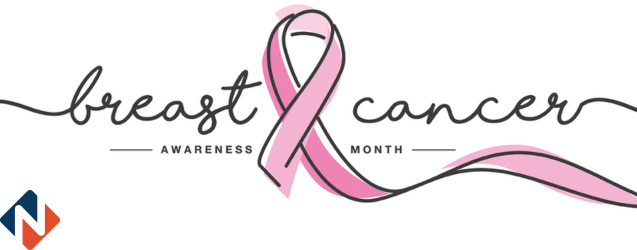
Breast cancer awareness is about educating our communities about the risk factors, symptoms, and steps to take for early detection. The Pink Ribbon Campaign is an example of a global movement that raises awareness and funds for breast cancer research. Along with supporting foundations and organizations that work towards cancer prevention and treatment, spreading knowledge about breast cancer through online platforms, support groups, and local health fairs can help create a society well-informed about the disease.
Breast cancer is a disease that impacts millions of women every year. Early detection is key in the fight against breast cancer. Women should prioritize routine screening and self-examination, identify the risk factors, and maintain a healthy lifestyle. Timely diagnosis and treatment can significantly improve the survival rates and quality of life. By spreading awareness, supporting foundations, and sharing knowledge, we can make a difference in the fight against breast cancer. Let’s come together to create a society that is committed to breast cancer prevention and making a positive impact on women’s health.