The winter holiday season is widely regarded as a time of cheer and togetherness — or, at least it is most years. The coronavirus (COVID-19) pandemic has significantly altered the usual atmosphere of the holiday season, with organizations like the Centers for Disease Control and Prevention (CDC) warning against large and high-risk gatherings.
During this trying year, and the holiday season more broadly, it’s important to recognize the unique challenges that can be faced by certain populations: namely, people who live with mental illness and those with a history of drug or alcohol abuse.
Amidst a global pandemic that has resulted in over 245,000 deaths in the United States alone, the challenges of navigating the holidays with these struggles may be greater as individuals face loss, grief, economic instability, and isolation.
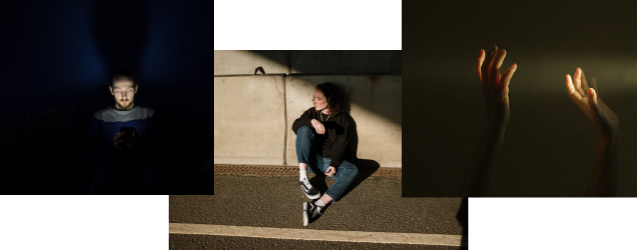
Holidays can be a cheerful time, but they can also be a stressful time. And depending on your company (or lack of) this may exacerbate feelings of loneliness, anxiety, and a lack of social or emotional connection.
Everyone’s mental health is unique, and holidays aren’t always a joyful time. For some, this time of the year can trigger trauma flashbacks, remind former addicts of times when they used to use, and create a precarious atmosphere for people who come from households with a history of domestic abuse and violence.
Stress in general is well-known to be a potential trigger for people with mental health and substance use disorders. For people formerly addicted to drugs or alcohol, holiday events — which often feature alcohol for adults — may be triggering. For people with eating disorders, large holiday meals may also induce significant anxiety and stress.
If you’re someone that others depend upon to hold things together or organize, the demands and accompanying stress of the holidays may be greater. Financial stress — from paying bills, buying gifts, or unstable employment — can also pose a threat to mental health.
Coping with challenges posed by the holiday season in ways that are healthy and supportive is possible. One suggested strategy for coping during the holidays is making a plan for yourself, or aiding a loved one in doing so.
Planning ahead gives you the opportunity to identify supportive coping strategies and solutions to potential challenges before you’re in a moment of crisis. This can be helpful for people who experience manic episodes, psychosis, severe depression, panic attacks, and those in addiction recovery.
Consider the following ideas and strategies for coping with holiday challenges:
Being honest about how you’re feeling is important. If you’re feeling lost, depressed, or grieving a loss, you don’t need to pretend everything’s okay. Acknowledging times of struggle is a significant kindness to yourself. This can also signal that it’s time to look to your coping plan, or reach out for help.
Find someone in your life who you can reach out to about your struggles. This can be a friend, family member, therapist, or a hotline support specialist. Not everyone has a wide social circle, but you’re not alone. Vocalizing your struggles and needs to others can lift an enormous burden off your shoulders.
If you’re having a panic attack or struggling with urges to use or drink, utilizing grounding techniques can be helpful. These can help you stay in the present, break out of a cycle of self-destructive thought patterns and offer essential self-care during moments of crisis.
If you live with mental illness, a history of substance abuse, or both, consider seeking professional help. Dual diagnosis treatment is highly recommended for people who struggle with both disorders. A dual diagnosis professional can help you identify supportive strategies for coping with holiday stress related to mental health issues and substance use.
Not every struggle is avoidable. Identifying supportive coping strategies for managing stress, however, can lessen their impact. If you need help creating a coping plan for yourself or a loved one during the holidays, consider talking to a mental health or dual diagnosis professional.

McKenna Schueler is a behavioral health and news writer with an educational background in English, psychology, and public health. She regularly writes on topics of mental health and substance abuse. She wrote this blog post on behalf of Arkbh.com and Recoveringchampions.com.