Rehabilitation is a process that helps you regain independence after a trauma, injury or illness. It can be accomplished through physical therapy, occupational therapy and speech-language pathology. Physical rehabilitation focuses on improving your mobility and function, while occupational therapy helps with daily living skills like dressing and cooking. The goal of both therapies is to get you back to doing the things you love as soon as possible!
As you begin the journey to rehabilitation, you will likely find that it is not a straight line. It can be an arduous process and one that requires patience. As such, it’s important to remember that there is no right or wrong way to get where you want to go—or even how long it will take. You just need to keep trying different things until something works!
There are many factors at play when considering what treatment plan may work best for you: your physical capabilities; your financial situation; how much time and energy each option requires; whether or not certain treatments carry risks (such as surgery). These considerations should all be taken into account before making any decisions about which path might lead toward recovery from injuries.
Physical rehab is focused on improving your mobility and function. It can help you recover from spinal cord injuries, strokes or other debilitating conditions. Some people lose their muscle mass causing severe physical immobility, such patients can take mass gainers after consulting their doctors!
Physical rehabilitation can also be used to treat some pain conditions by strengthening muscles that support the painful area in order to reduce stress on the joints.
You may need to go through physical rehabilitation before returning to work, school or home life as part of an overall treatment plan for an injury or illness.
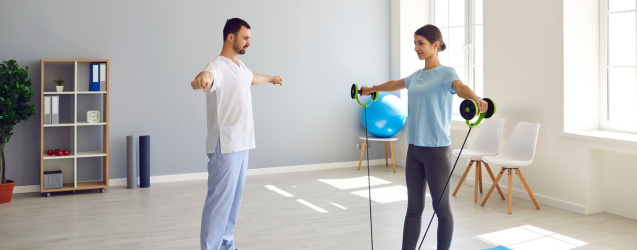
Physical therapy exercises play a key role in overcoming physical disabilities. By exercising the affected body part, you can help regain your strength and mobility.
Physical therapy exercises are also recommended for people who have been diagnosed with a neurological disorder or disease such as multiple sclerosis (MS). These exercises can help you get back to work, school or home life. Exercise equipment is an excellent way to get started with physical therapy exercises because it lets you work out at home without having to pay for expensive equipment or gym memberships.
Home exercise equipment is a great way to get the physical activity you need. It can help you stay on track with your rehab program and avoid the risk of injury when doing exercises on your own. You should know that sitting down for long periods and being idle can cause insulin resistance thus leading to type -2 Diabetes.
It’s also important to find a treatment program that works for your mental state. While your physical health may be improving, this is not always the case with your emotional health. You may be feeling frustrated or depressed about the injury, which can make it difficult to participate in physical therapy sessions and follow through with exercises at home.
If possible, try to find a therapist who is willing to communicate with you about these feelings and listen carefully when you talk about them. If they don’t seem interested in what’s going on inside of their patient’s heads (or worse yet—if they don’t believe there’s anything wrong), consider finding another therapist who does care about these things!
The most important thing to remember is that your therapist wants to help you. They are there to guide you through the rehabilitation process, but they can only do this if they have all the information.
It’s important to be honest with your therapist about any physical limitations or challenges that may prevent you from completing an exercise properly. Your therapist will then make adjustments so that you can get the most out of each session and achieve results faster than expected!
A strong support network of friends and family is vital to success as well. Having someone who can help you with tasks that would otherwise be difficult or impossible, like carrying groceries or picking up your laundry, will make a huge difference in your ability to maintain an independent lifestyle after rehabilitation. If you do not have family members who live nearby, consider joining a community organization where you can meet other people with similar interests.
If possible, try to make sure that someone is always available when you need them—even if they’re just across town! Consider taking turns so that each person has time off work during which they are unable to provide assistance but still have access if needed at any point during the day/night cycle: this way no one gets burned out from making too many trips back-and-forth between locations.
Rehabilitation is a long process. It’s not a quick fix, and it takes hard work and dedication on your part. Rehabilitation can lead you back to full health, but it takes time for the body and mind to heal from their injuries or illness.
If you’re looking for a way to get better after an injury or illness has left you unable to do the things that used to come easily (or at all), rehabilitation might be right for you!
Rehabilitation is a process that helps you regain independence after a trauma, injury or illness. Physical rehabilitation is focused on improving your mobility and function. Rehabilitation can help you recover from spinal cord injuries, strokes or other debilitating conditions. There are many types of physical rehabilitation services available for people with a variety of injuries and illnesses.